Charter Reading
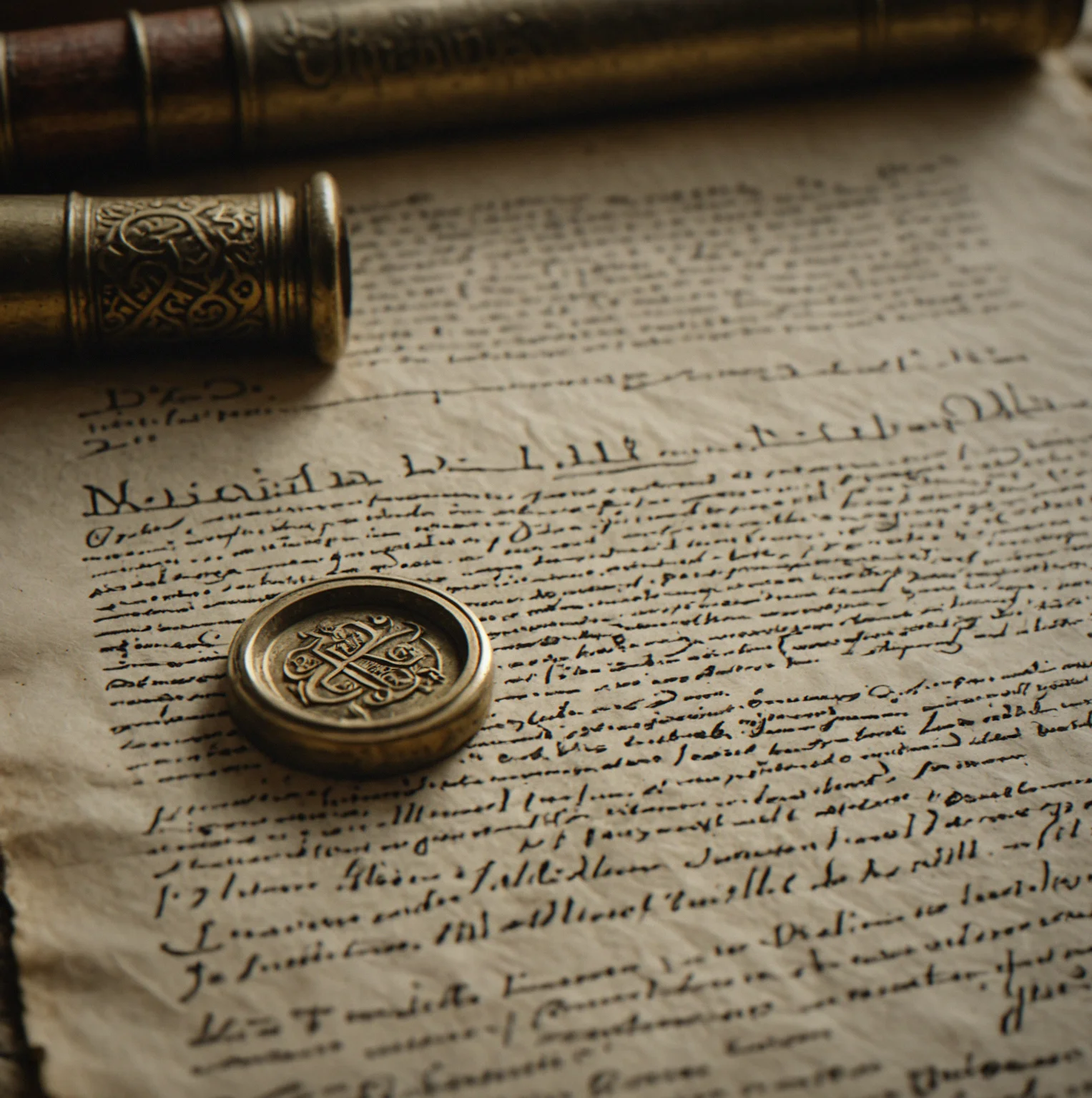
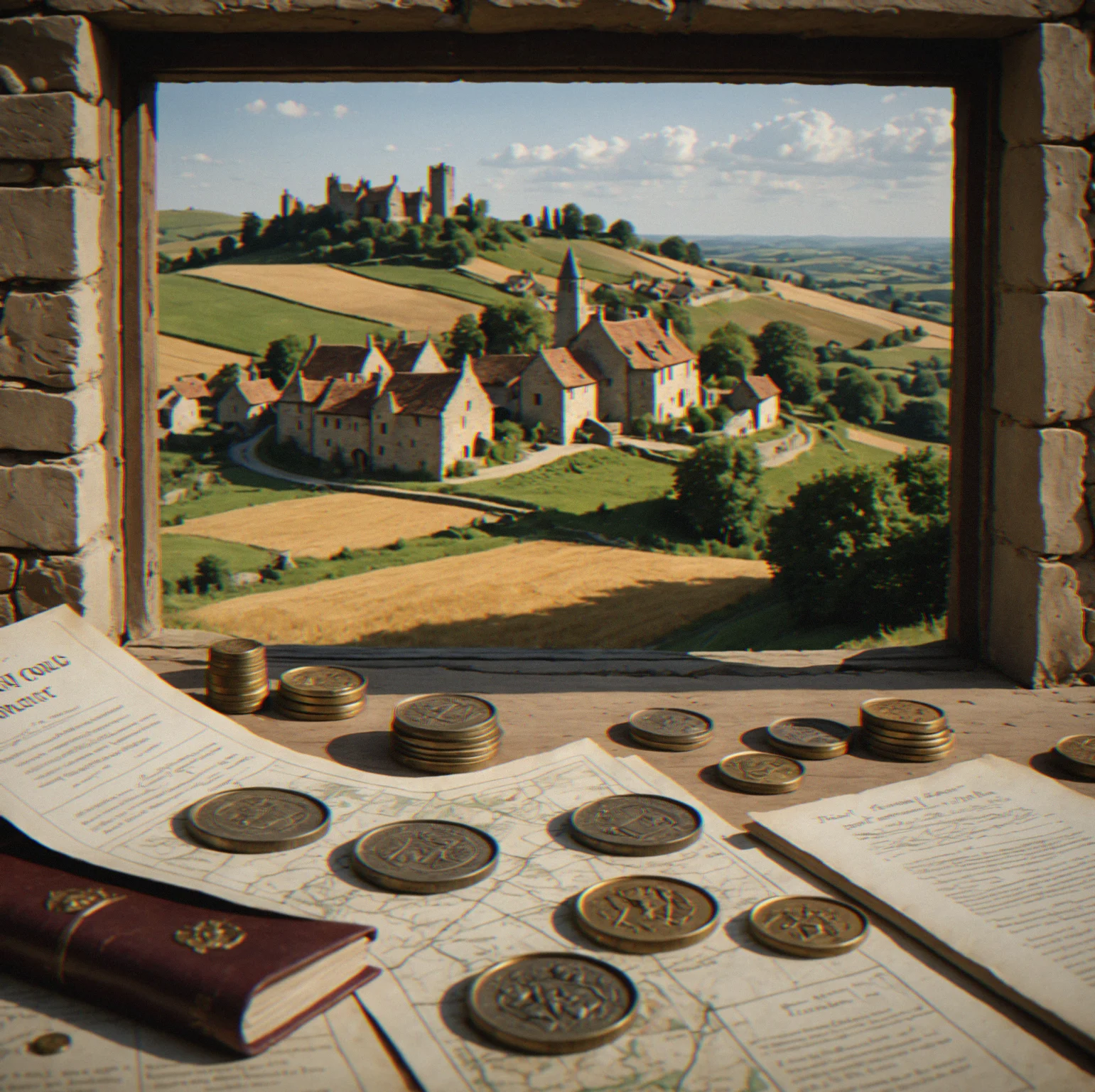
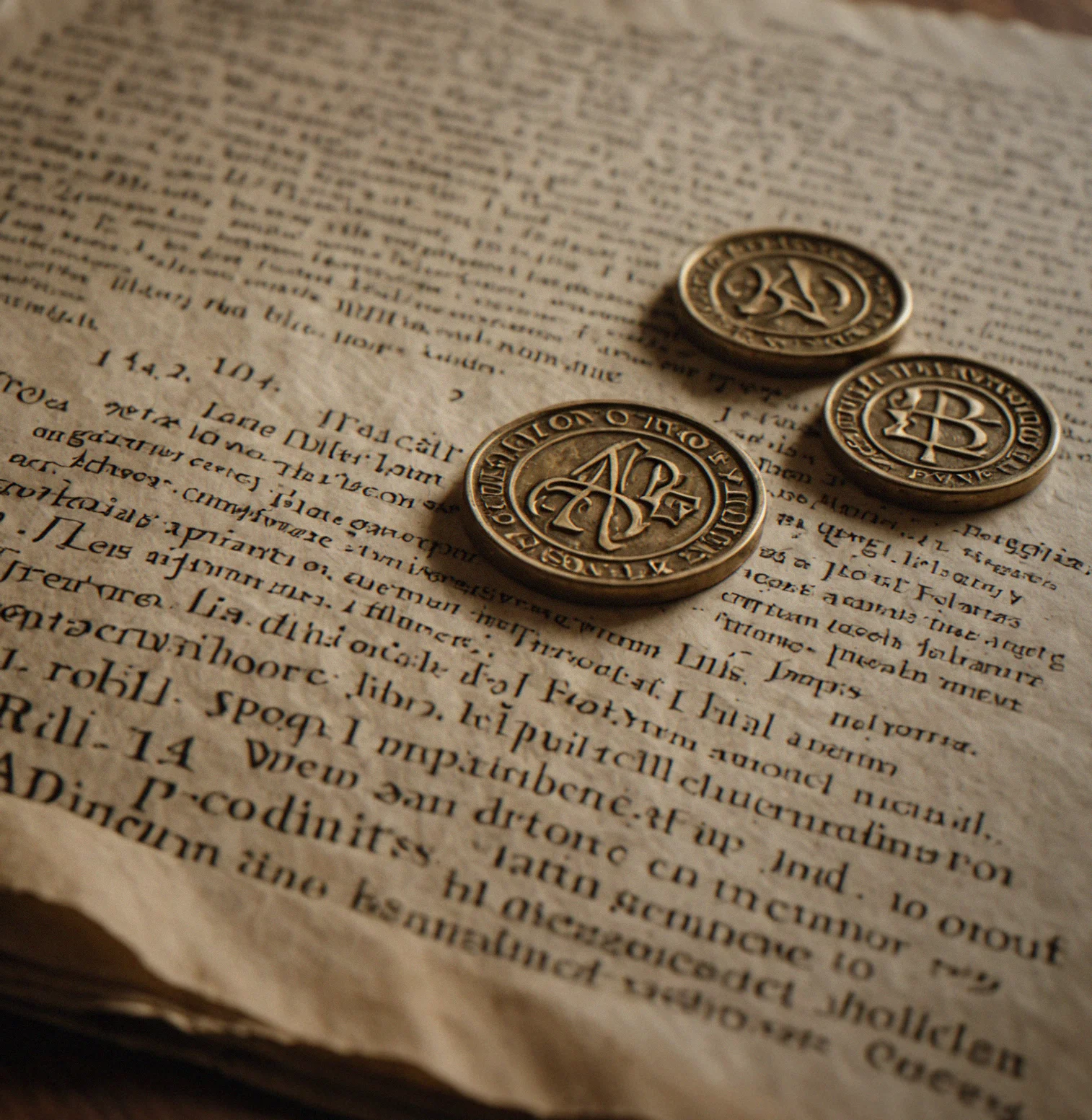
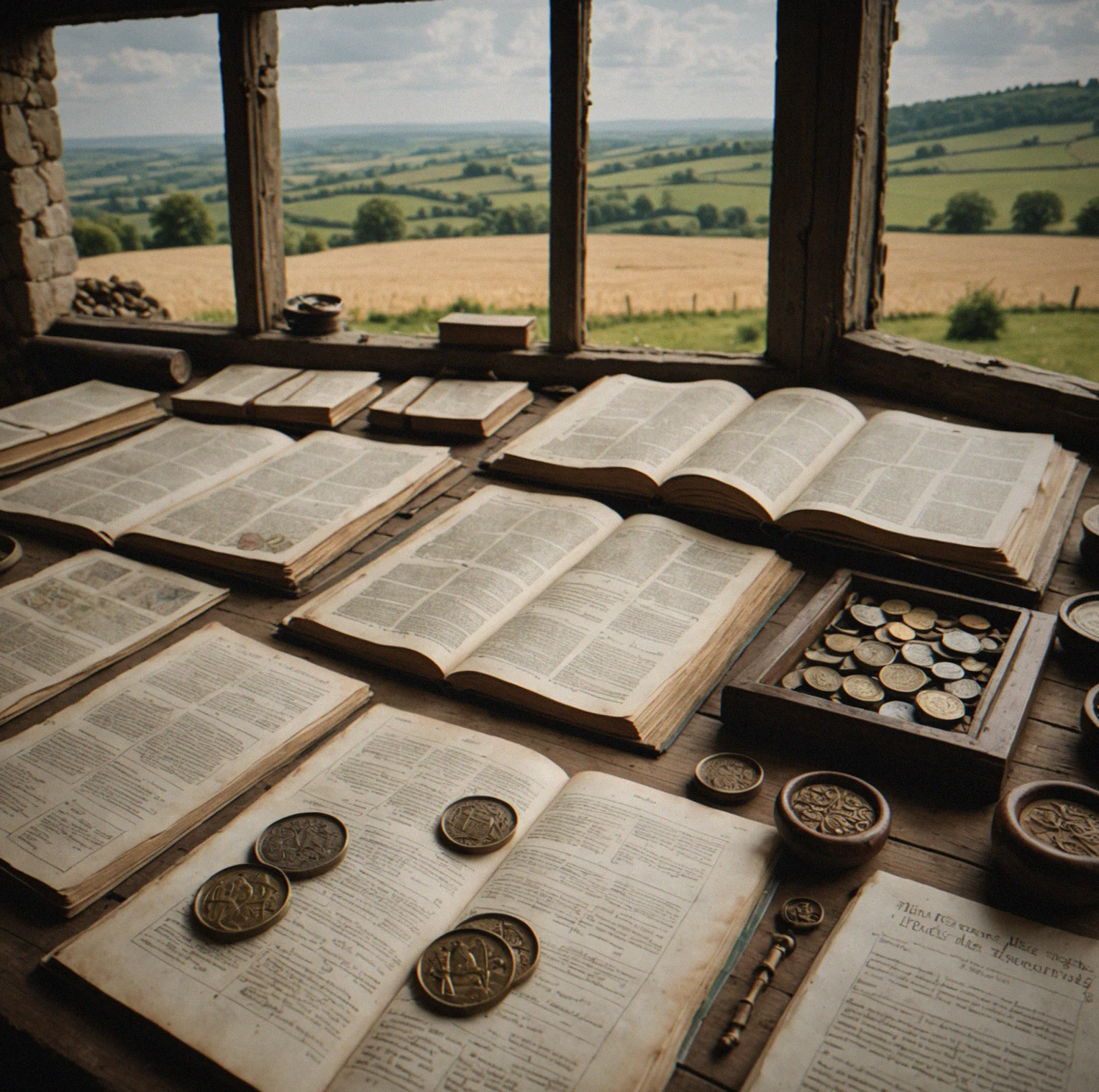
A land grant from the 1300s describes boundaries using landmarks: 'from the oak near Hundredsfield Brook, northward to the standing stones.' The oak fell in 1447. The stones got moved. You're reading this in 1503, trying to figure out a boundary as it was 60 years before your character existed. That gap is the puzzle.
Tax Records and Population
A village shows up as 23 households in 1381 but only 7 by 1385. The monastic chronicle mentions fever that year. Now you know it wasn't war or people leaving. A specific disease hit this place. Numbers start to tell a story.
Topographical Reading
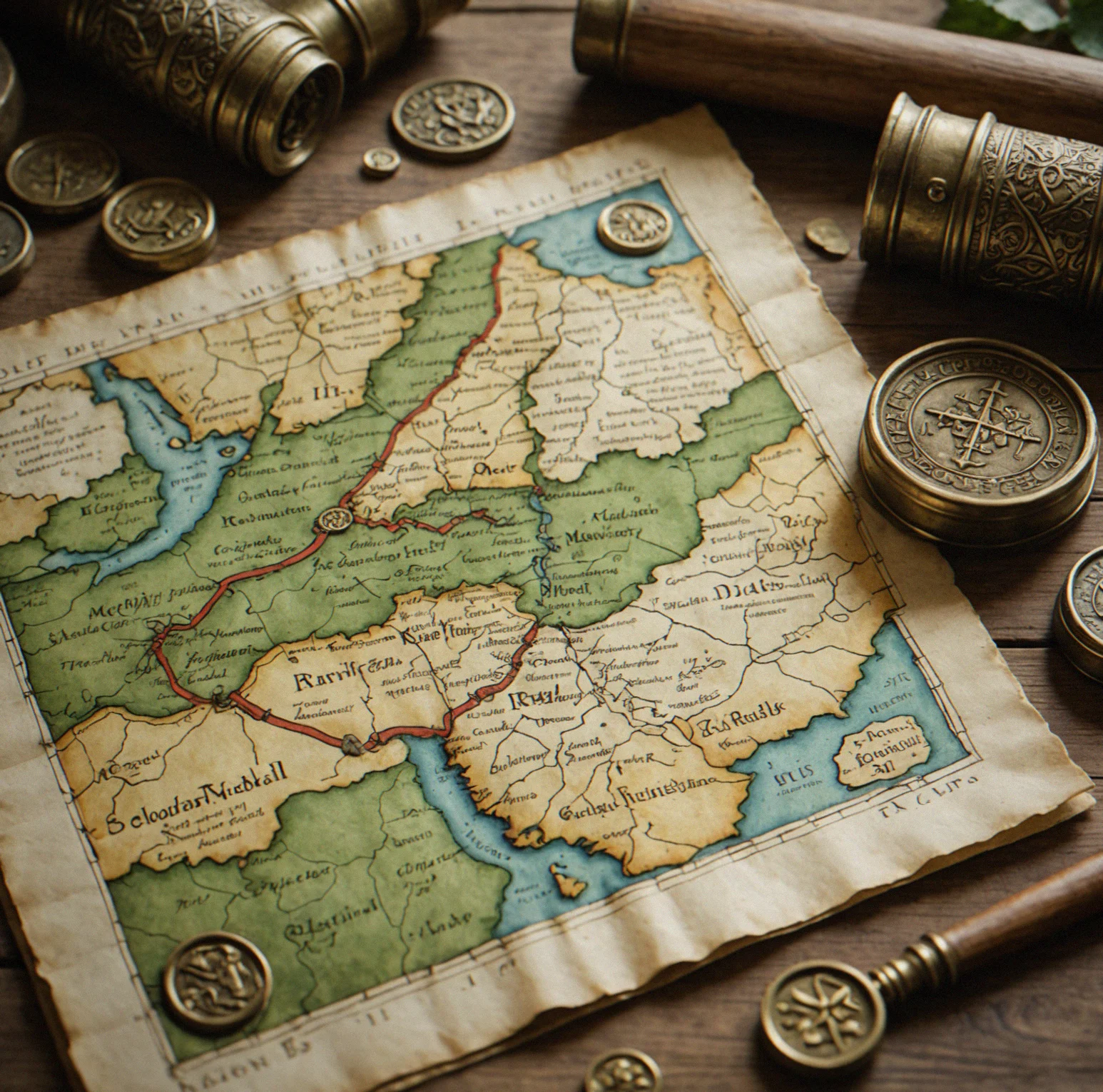
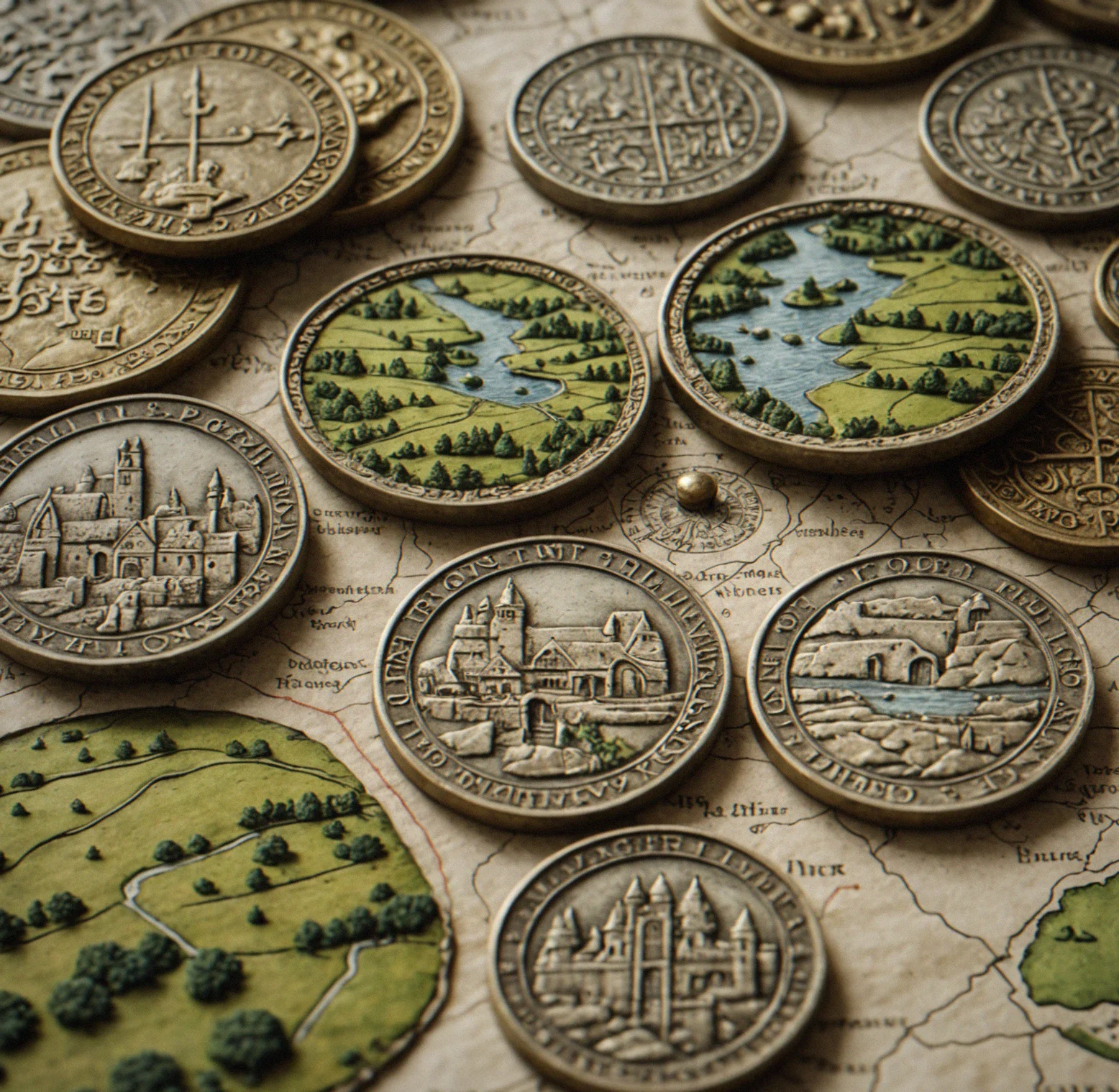
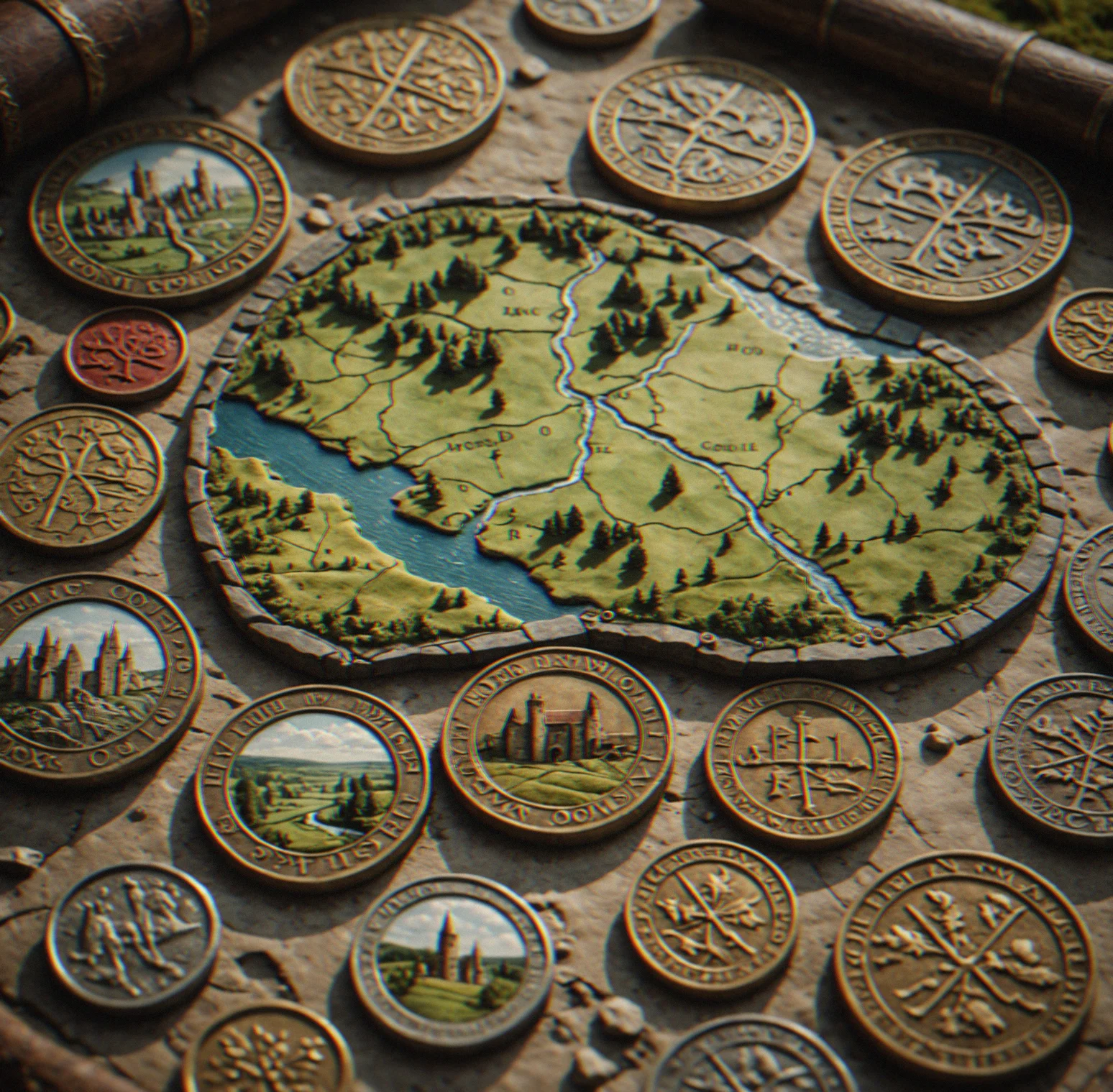
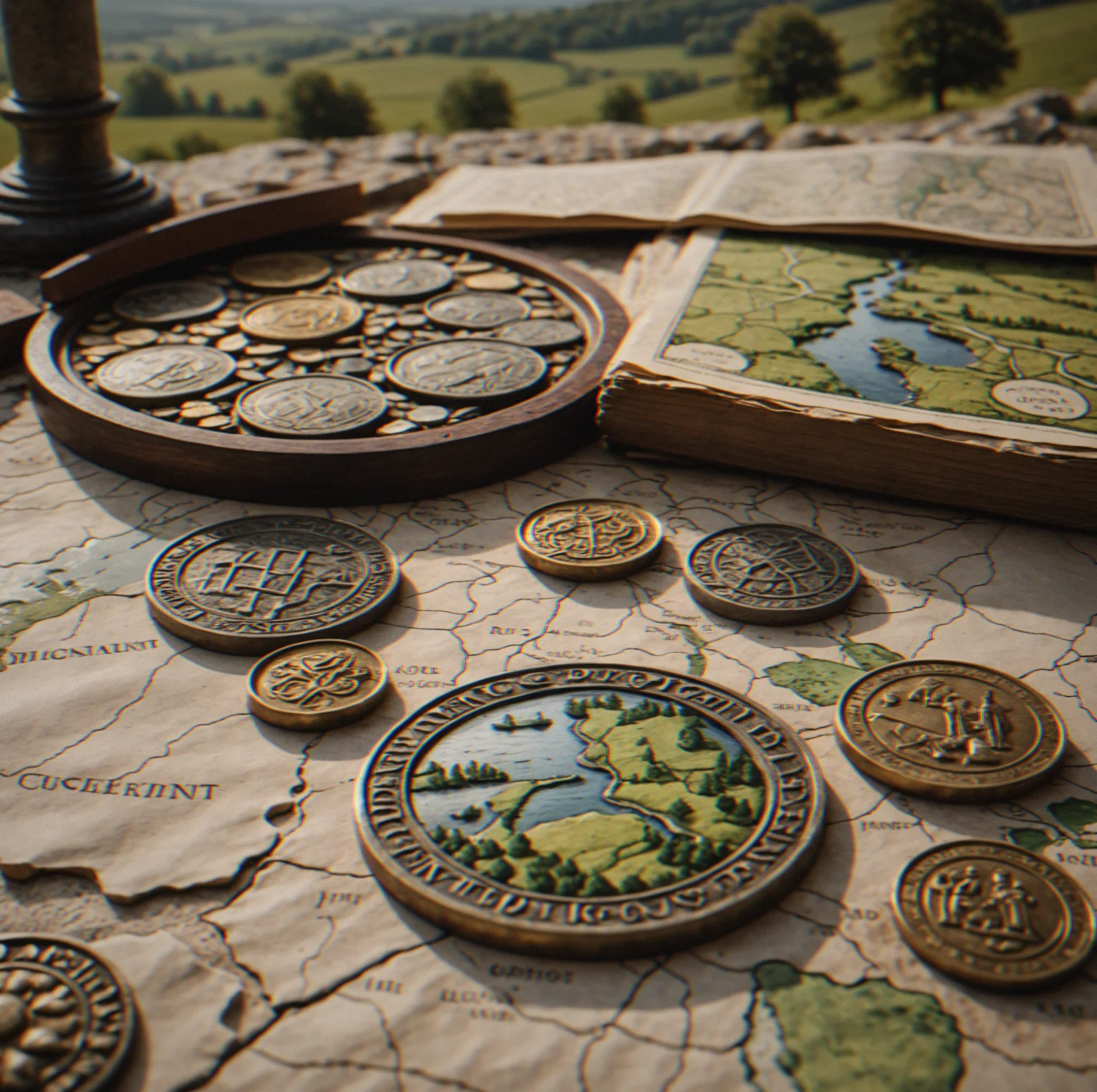
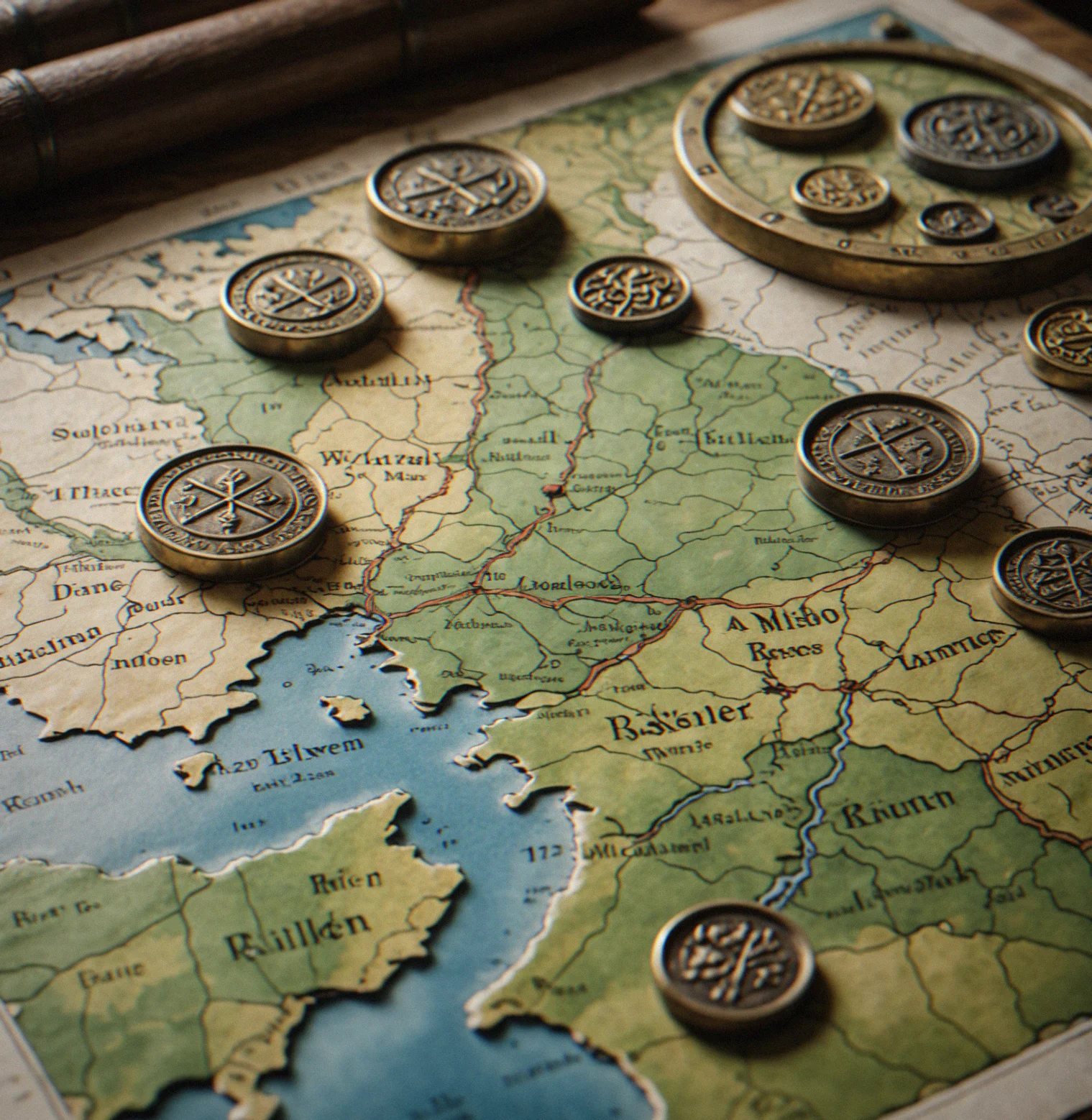
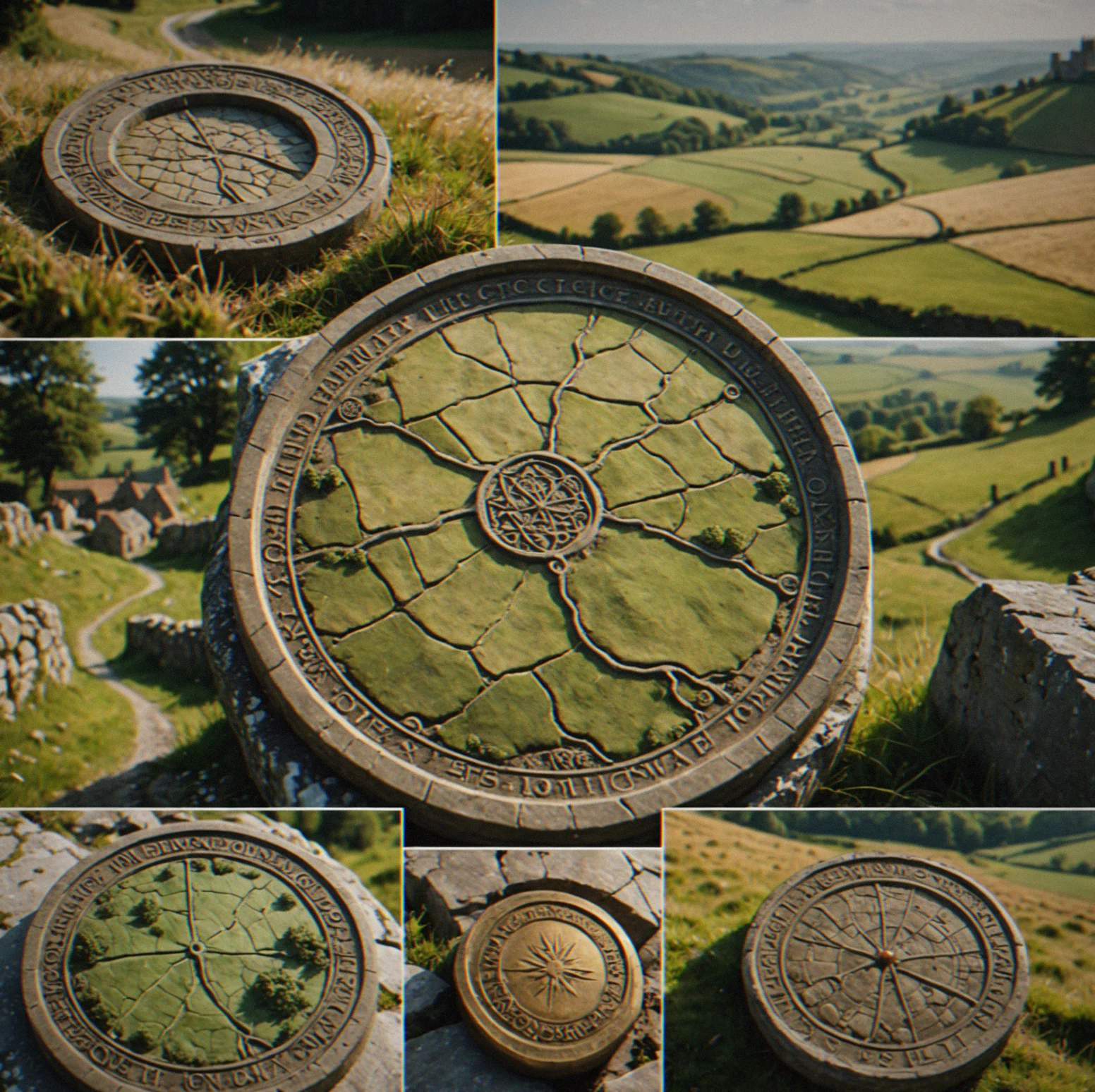
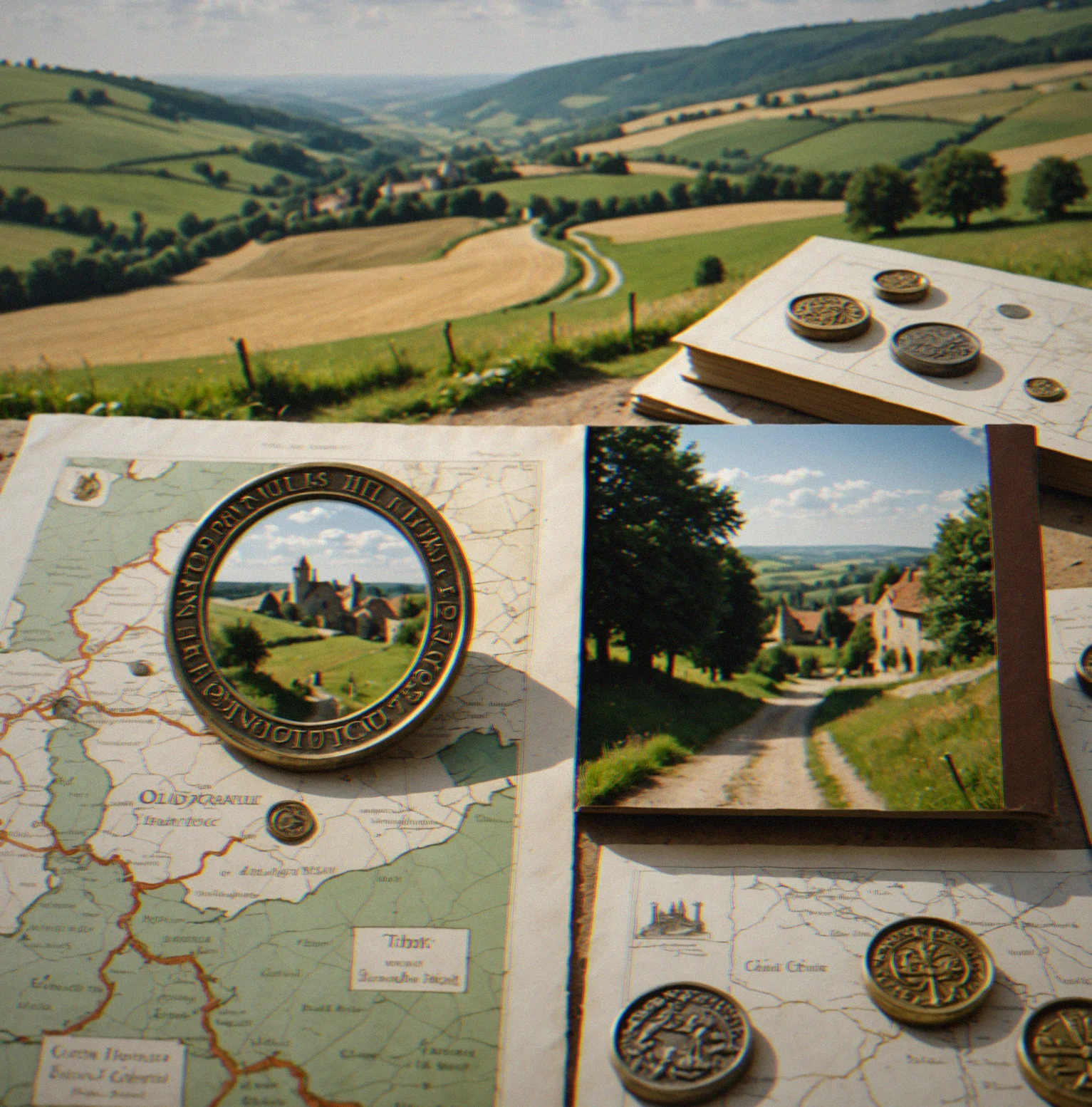
Forest density shifts across the map. River valleys show where mills could sit. Stone circles mark specific spots. When a road bends in an odd way, you wonder why. The answer's in property lines, seasonal marshland, or land you weren't supposed to cross.
Oral Histories and Contradiction
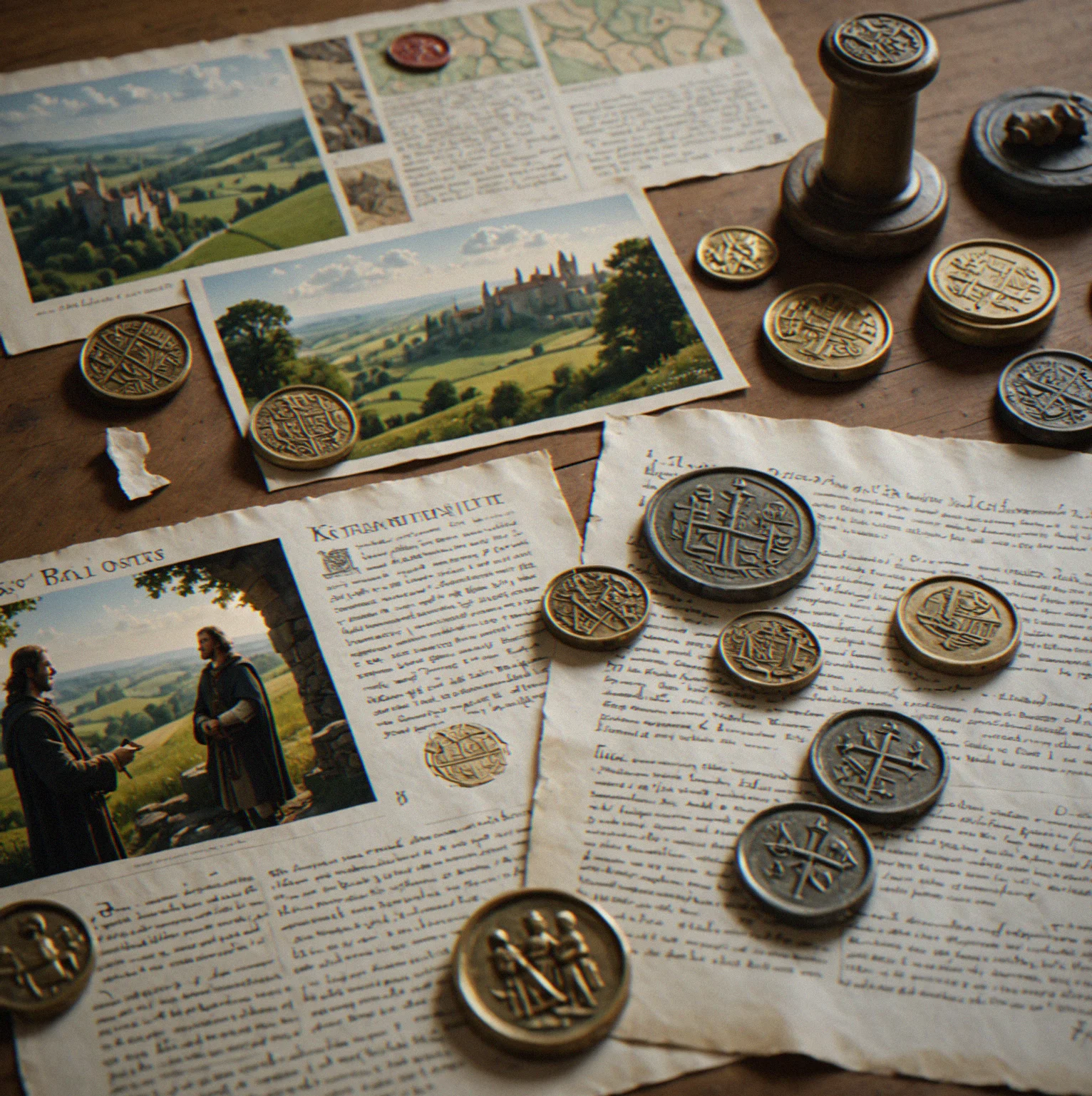
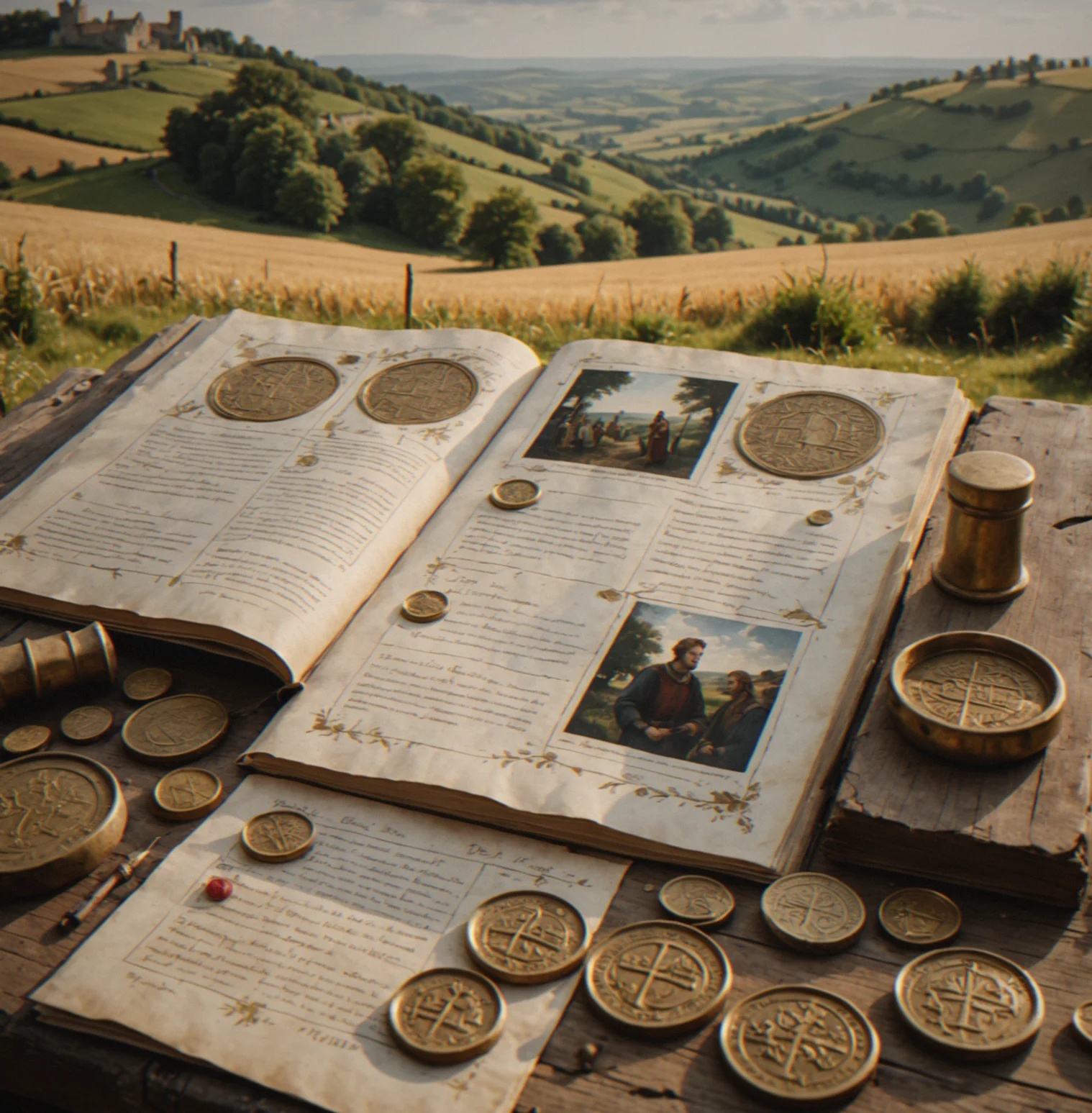
The miller's grandson remembers a monastery that burned. His great-grandfather worked there. But he says it happened in winter, when grain stores would be empty. So why were they there? You collect testimonies. You spot the inconsistencies. You come up with something that fits most of the evidence without extra assumptions.
NPC Networks
Everyone's tied to a specific village or area and knows things that only matter in that context. A woman from one settlement talks about a pilgrimage route that a priest from the next village says never happened. One's wrong, or they're both remembering something partial, or the landscape changed between their times.
Medieval Economics
Follow household assessments across decades. See how villages change their trade routes. Figure out why a monastery owned certain lands or which communities worked together economically. The evidennce carries the history, not a lecture.
Document Conventions
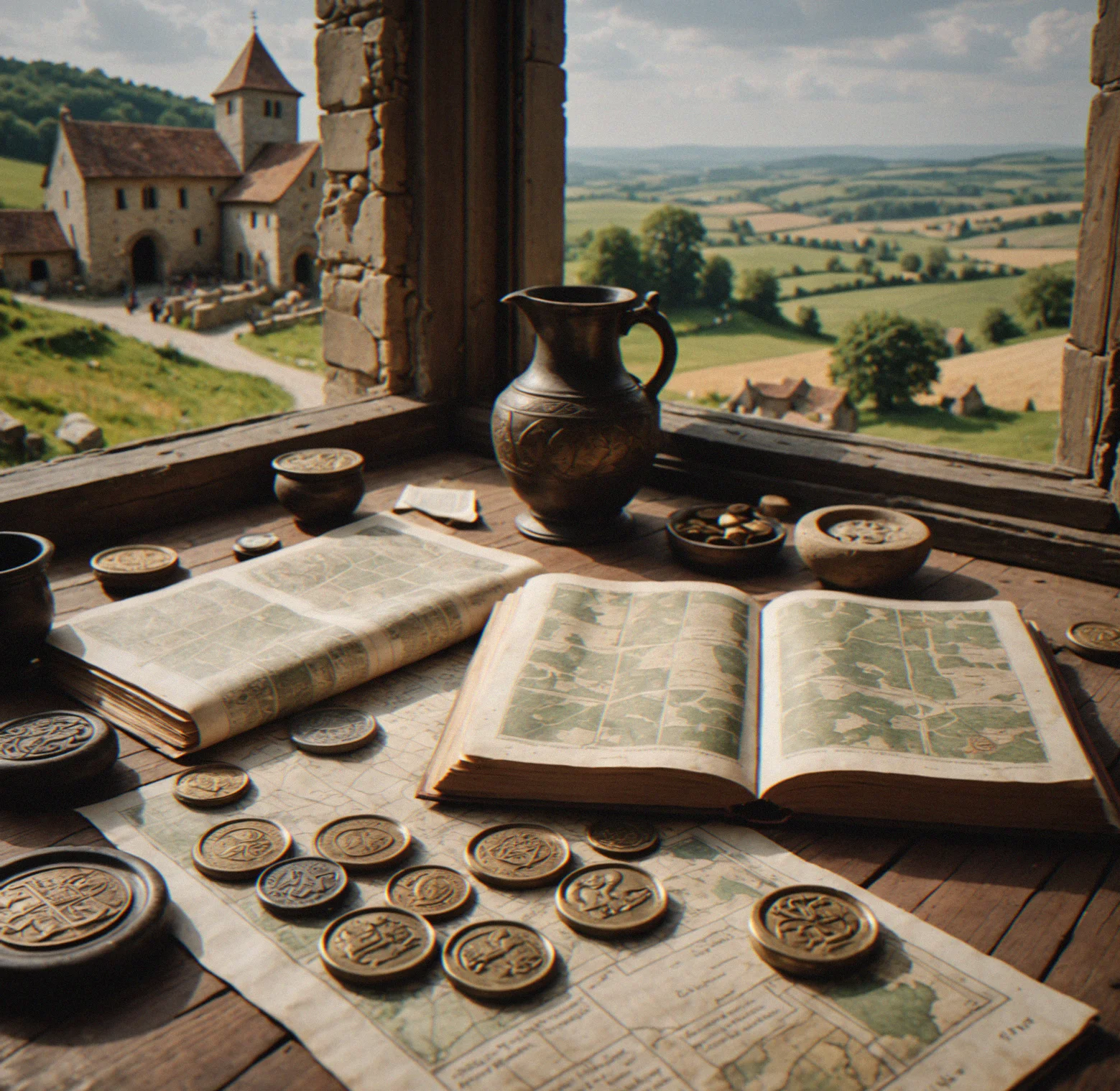
Latin shortcuts. The way people named things. What's left unsaid on purpose. You learn to read like a historian, catching the small things that show how medieval people saw their own landscape. Sacred, legal, economic, and mythological all tangled together.
Hypothesis Building
Pull your evidence together. Write an analytical note With your explanation. The game checks how solid your reasoning is, not whether you hit some predetermined answer. Different valid solutions exist depending on which Sources matter more to you.